

You have a personal tax return to file, and you also run a small business in Oshawa or Whitby. Now you are wondering: do I need one accountant for my personal taxes and a different one for the business, or can a single person handle both? For most owners in Durham Region the answer is one accountant, but the reason why depends on how your business is set up. Here is how to tell who actually does both well.
Key takeaways
- For most owners, one accountant should handle both your personal and small business taxes. The reason depends on your structure.
- As a sole proprietor your business income goes on your personal T1 through the T2125 form, so it is literally one return.
- Once you incorporate, the T2 corporate return is separate from your T1, but one firm should still coordinate both to plan your salary and dividend mix.
- A firm that does both asks about your structure first and names the T2125 or T2, not a walk-in shop that only files a simple return.
What “specializes in both” really means.
Plenty of tax preparers can punch in a simple T1 personal return. Far fewer are comfortable moving between your personal taxes and the way your business earns money. An accountant who genuinely handles both knows how your business income lands on your personal return, when it makes sense to incorporate and how to keep the CRA happy on both sides. The best fit is usually one accounting firm that looks after both your personal finances and your business books under a single roof.
The split that matters is your business structure. A sole proprietor and an incorporated business are taxed in completely different ways, and that changes who you should hire.
If you are a sole proprietor: it is all one return.
If you run an unincorporated business, you and the business are the same taxpayer in the eyes of the CRA. Your business income goes on the same T1 personal income tax return as your employment income, your investments and everything else.
You report the business side on a form called the T2125, the Statement of Business or Professional Activities, which is filed as part of your T1. There is no separate business return. That is exactly why a sole proprietor wants one accountant for the whole picture. Splitting your personal and business taxes between two people means handing the same return to two sets of hands, which is a recipe for missed deductions and crossed wires.
A good personal tax accountant who works with self-employed clients will pull your home office, vehicle costs and supplies onto the T2125, then make sure the rest of your T1 still works around that income.
If you are incorporated: two returns, one strategy.
Once you incorporate, your business becomes its own taxpayer. The corporation files a T2 corporate return that is completely separate from your personal T1. So technically, two different people could file them.
In practice, you still want one firm coordinating both. Here is why. As an owner of a corporation, you decide how to pay yourself, usually a mix of salary and dividends, and that decision changes both your corporate tax and your personal tax at the same time. An accountant who only sees one side cannot optimize that. The first $500,000 of active business income in an Ontario CCPC is taxed at a combined small business rate of just 12.2%, far below personal rates, so how and when you take money out of the company is one of the biggest levers you have. That is a corporate tax and personal tax conversation at once.
Sole proprietor vs incorporated: the quick version.
| Sole proprietor | Incorporated (CCPC) | |
|---|---|---|
| Tax return | T1 personal, with the T2125 form | T2 corporate, plus your own T1 |
| Who is the taxpayer | You | The corporation and you |
| One accountant for both? | Yes, it is literally one return | Strongly recommended for salary and dividend planning |
| Small business rate | Taxed at your personal rate | 12.2% on the first $500,000 of active income |
How to tell if a Whitby or Oshawa accountant really does both.
Not every local firm that advertises tax services is set up for business owners. Most established firms in the area operate as a CPA Professional Corporation, which you can verify through CPA Ontario. When you call around Durham Region, listen for a few things.
- They ask about your structure right away. A firm that does both will want to know if you are a sole proprietor or incorporated before quoting anything.
- They mention the T2125 or the T2 by name. That tells you they handle business returns day in and day out.
- They handle bookkeeping and payroll too, or coordinate it. Clean books are what make a business tax return accurate.
- They talk about the year, not just the deadline. Salary versus dividends, instalments and deductions are decisions you make in advance, not in April.
If you are still weighing firms, our guide on how to choose a CPA firm in Oshawa or Whitby walks through the questions to ask and the fee structures to expect.
The 2026 dates that apply to you.
Whoever files your taxes should map these out on the first call.
| Filing | 2026 deadline |
|---|---|
| Personal tax (T1), most people | 30 April 2026 |
| Self-employed T1 filing | 15 June 2026, balance owing still due 30 April 2026 |
| Corporate tax (T2) | 6 months after your fiscal year-end |
| Tax instalments (if required) | 15 March, 15 June, 15 September, 15 December |
| HST registration | Required once sales pass $30,000 in a quarter or four quarters |
You can confirm the personal filing dates on the CRA filing dates page.
A real example.
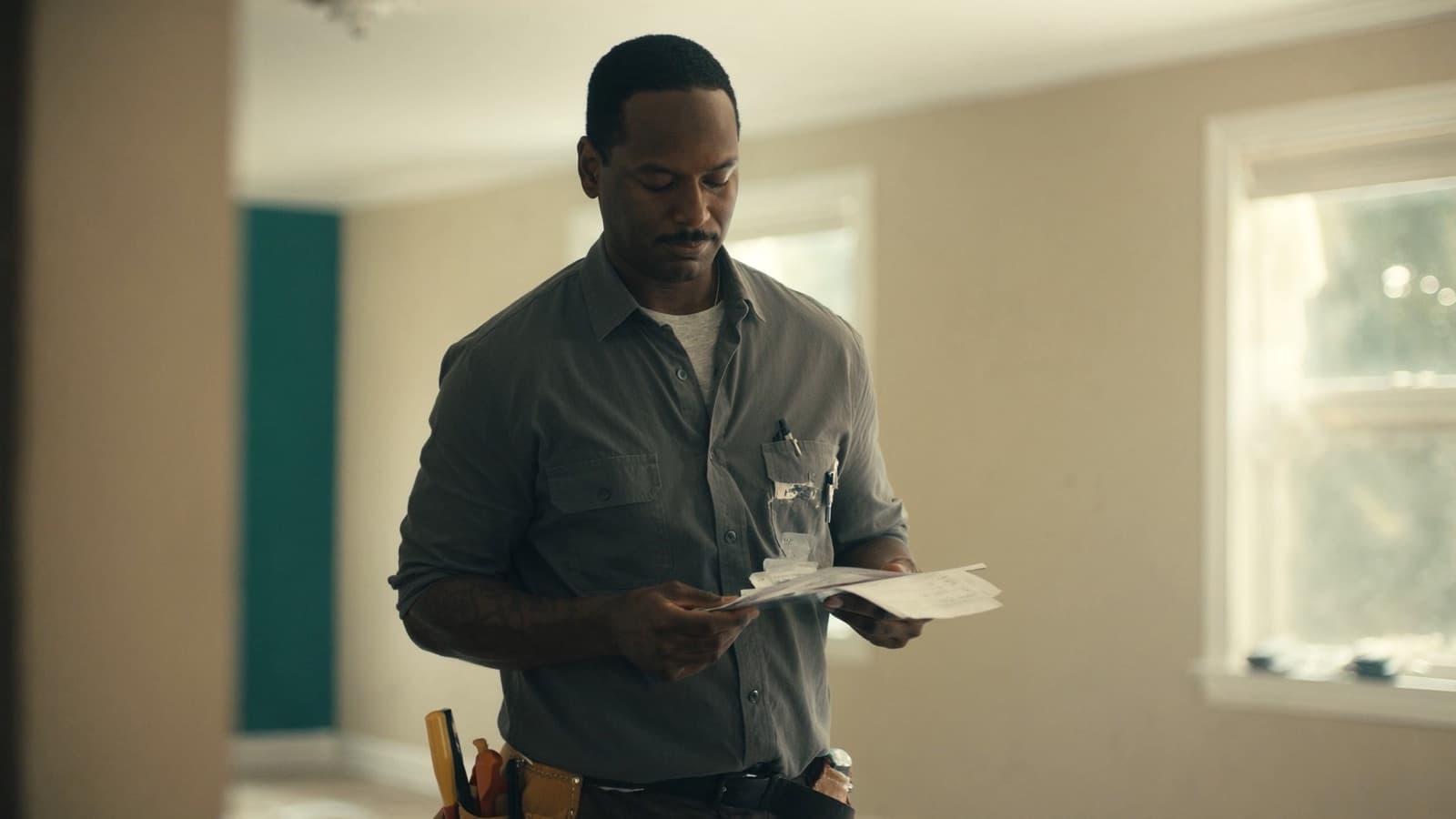
Marcus runs a home renovation business in Whitby as a sole proprietor. For three years he used a walk-in tax shop for his personal return and tried to sort the business side himself. His income was reported on his T1, but the preparer never asked about the business, so he missed his vehicle costs and a chunk of his tool and material expenses. He overpaid by roughly $2,800 in one year.
He moved to a firm that handles personal and small business taxes together. They put his business income on the T2125, captured the vehicle and supply deductions and flagged that he had crossed the $30,000 HST threshold and needed to register. The next year they ran the numbers on incorporating. With revenue around $160,000 and growing, moving to a corporation and paying himself a mix of salary and dividends was projected to save him close to $6,000 a year in tax once he was reinvesting profit. One accountant saw both sides and made the call obvious.
When one accountant should file both your returns.
A CPA firm that works with small business owners files corporate T2 returns and personal T1 returns and coordinates the two. That coordination is the whole point of using one firm. For a sole proprietor it is not even optional, since the business income is part of your personal T1, so it is one return either way. For an incorporated owner the two returns are separate, but having one firm handle both keeps your salary and dividend mix planned across the corporate and personal sides instead of in two disconnected pieces.
The moment to move from a basic tax preparer to a small business accountant is when your business income is more than a small side amount, or once you register for HST, incorporate or hire staff. At that point a simple return preparer is not equipped to catch the deductions and planning a small business CPA will. You do not need that firm to be on your street, since most work happens through secure online tools, but a local accountant helps when you want in-person meetings and someone who knows the Oshawa, Whitby, Ajax and Pickering business community, from trades to professional services.
File both sides with one team.
At EK CPA Pro we file personal and small business taxes together for owners across Oshawa, Whitby, Ajax, Pickering, Clarington, Bowmanville and Uxbridge. Our accounting services run from bookkeeping and payroll to corporate and personal income tax, with estate and tax planning when you need it, so you get one complete solution instead of three providers. Whether you are a sole proprietor sorting out your T2125 or an incorporated owner planning salary and dividends, one team handles both sides so nothing slips. If you want a clear read on your 2026 taxes, contact us to book a free consultation and we will walk through your situation.
This article is for general information only and does not replace professional tax advice. Tax rules change, and your specific situation matters. Always confirm with a qualified CPA before making tax decisions.